- Home
- /
- Installation Environments
installation environments
Discover our different models adapted to each environment
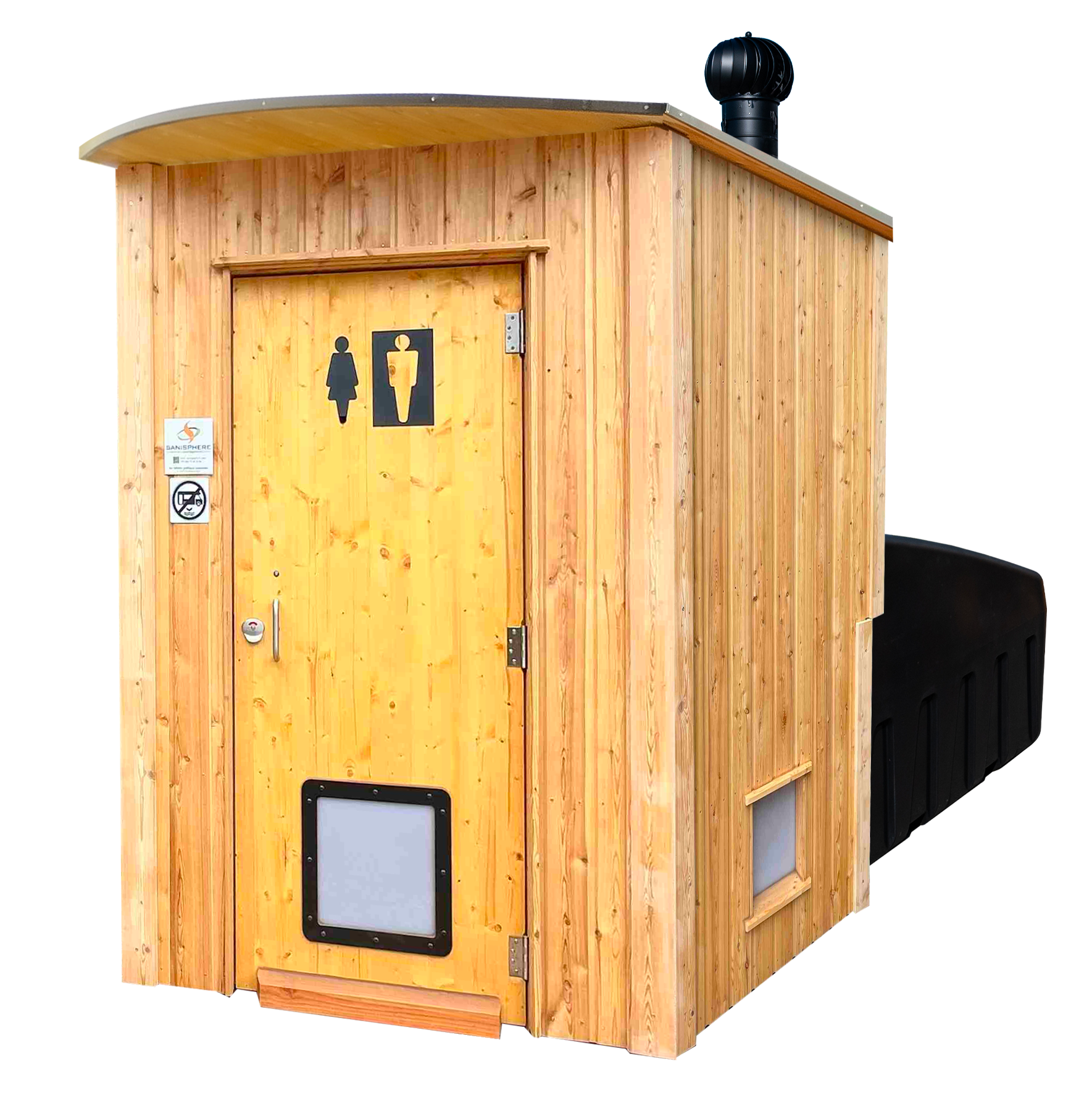
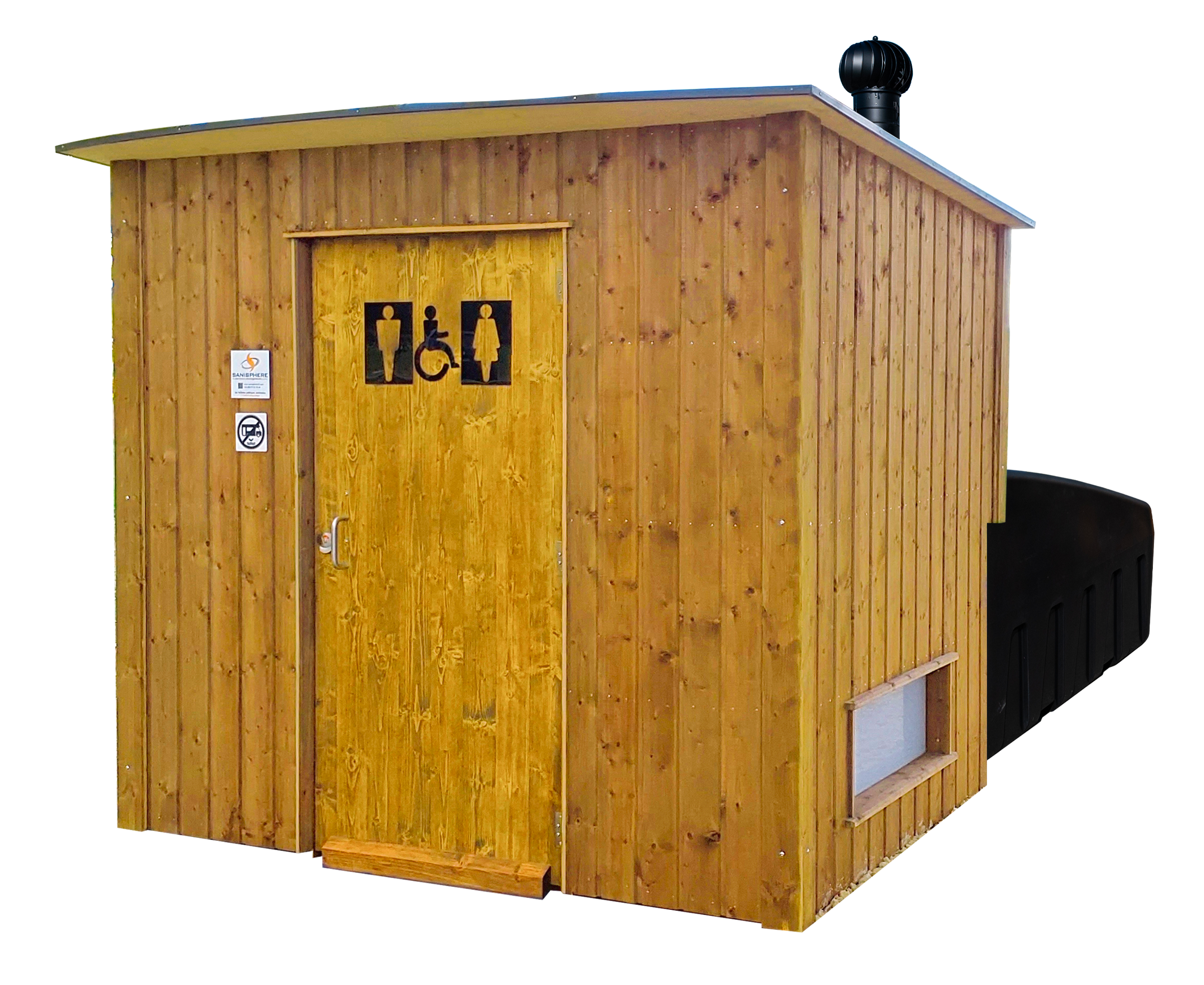
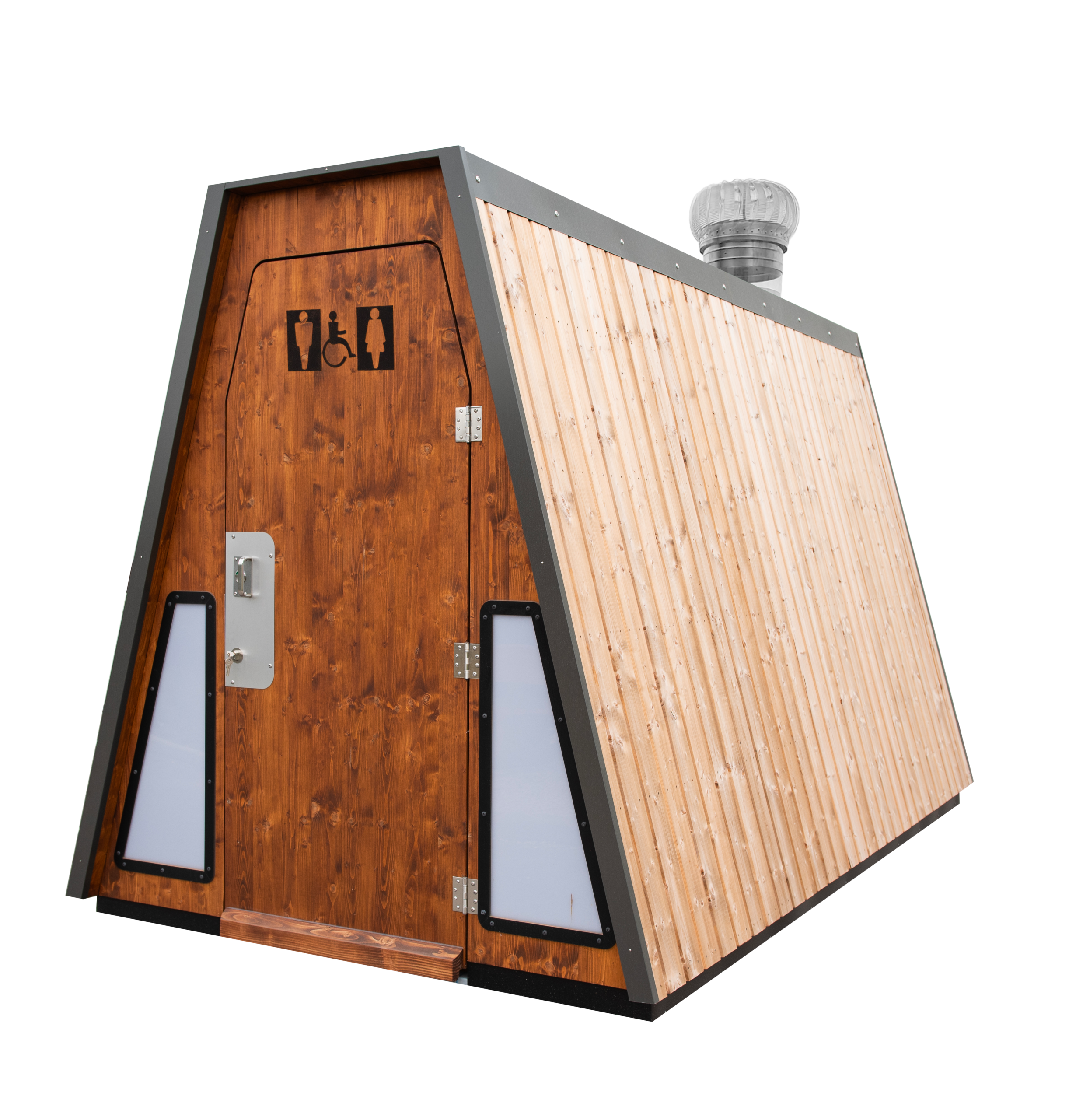
OUR SOLUTIONS ADAPTED TO Rural Communities
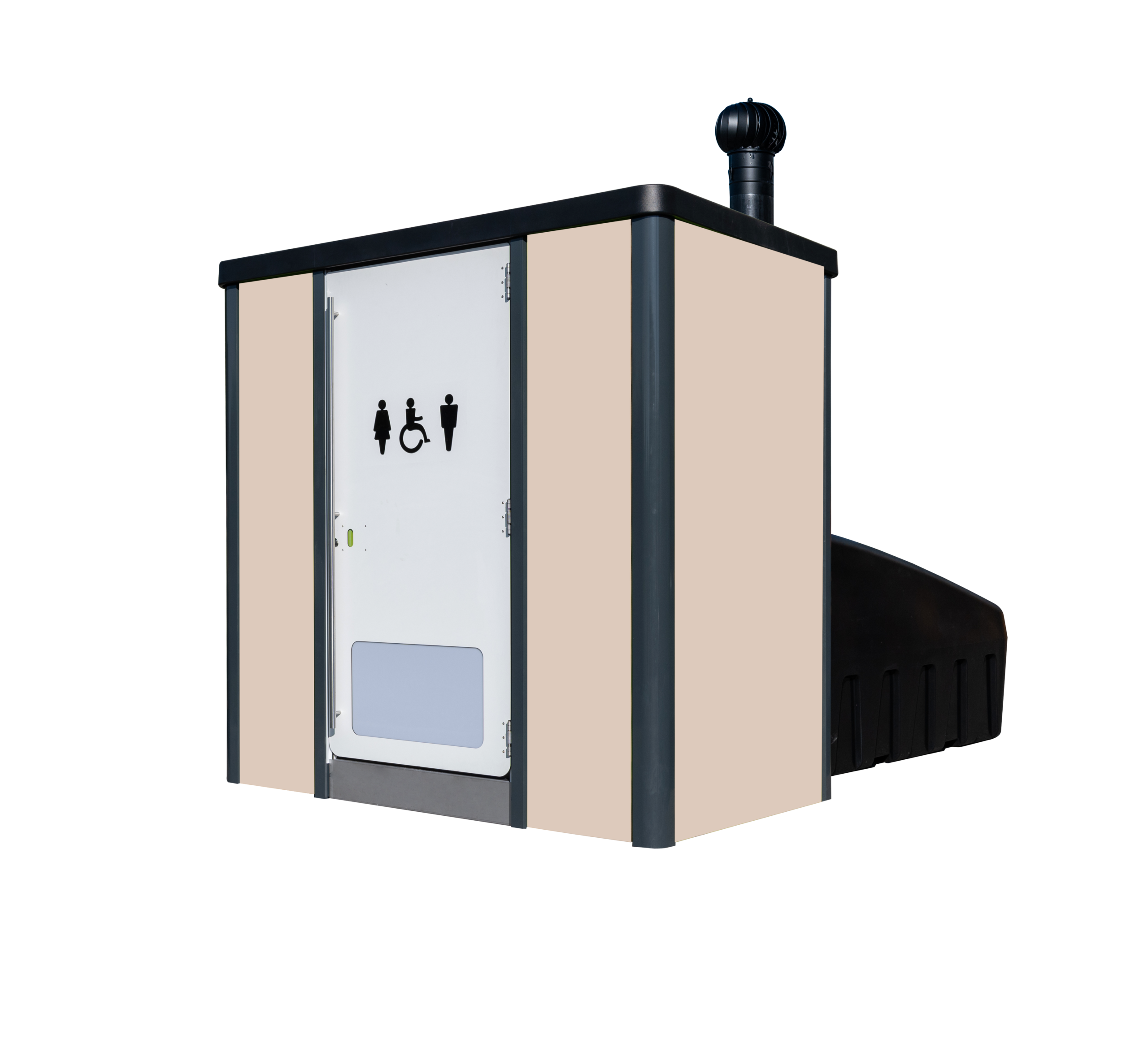
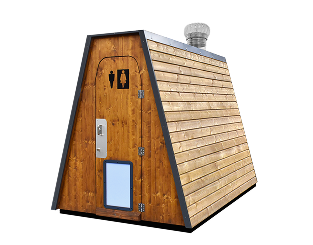
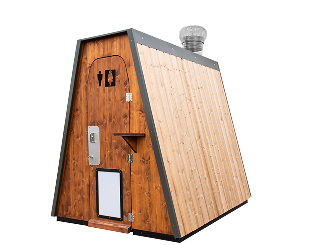
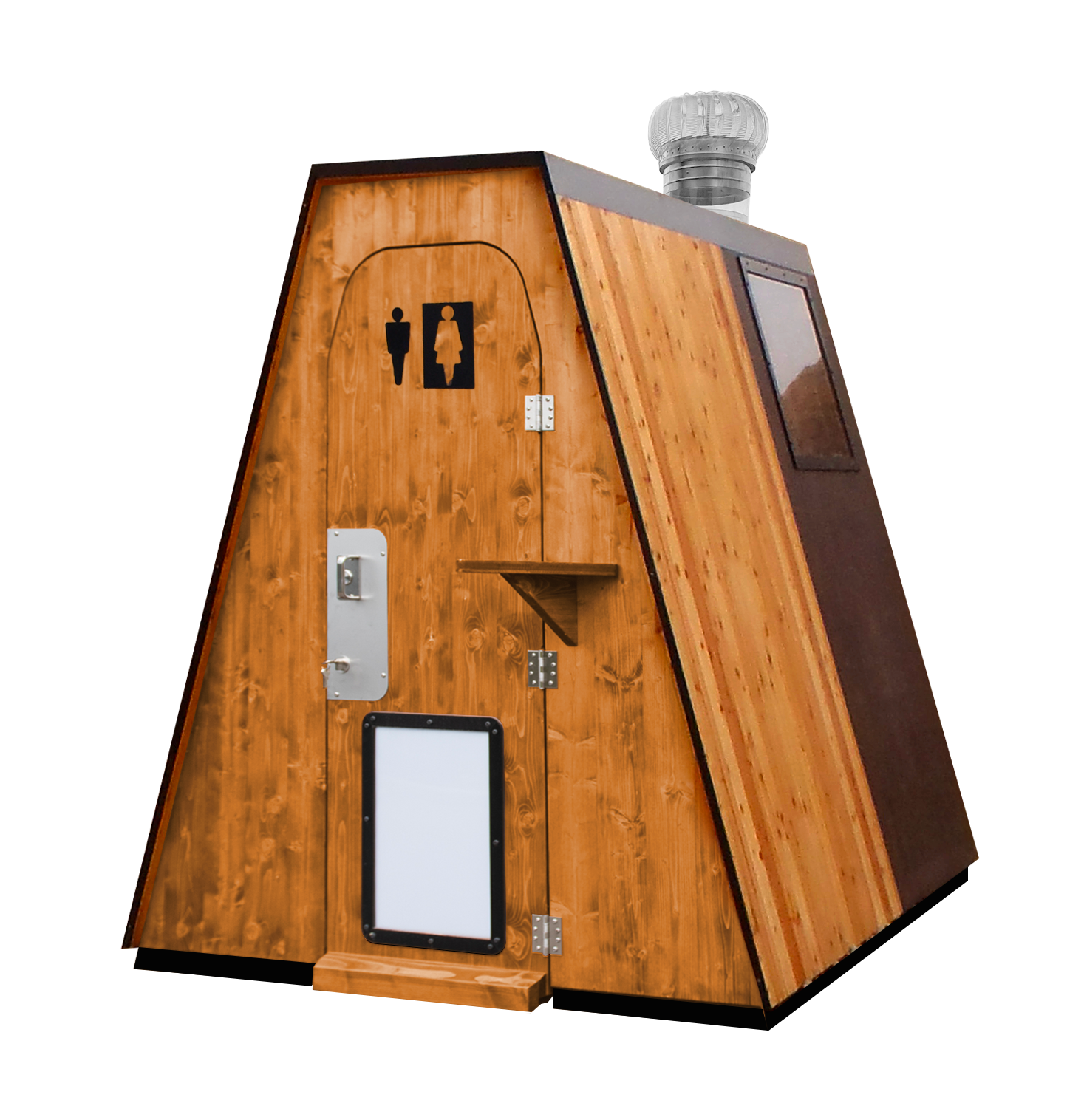
Compact design, high efficiency: a self-contained, robust, and ultra-compact public toilet!
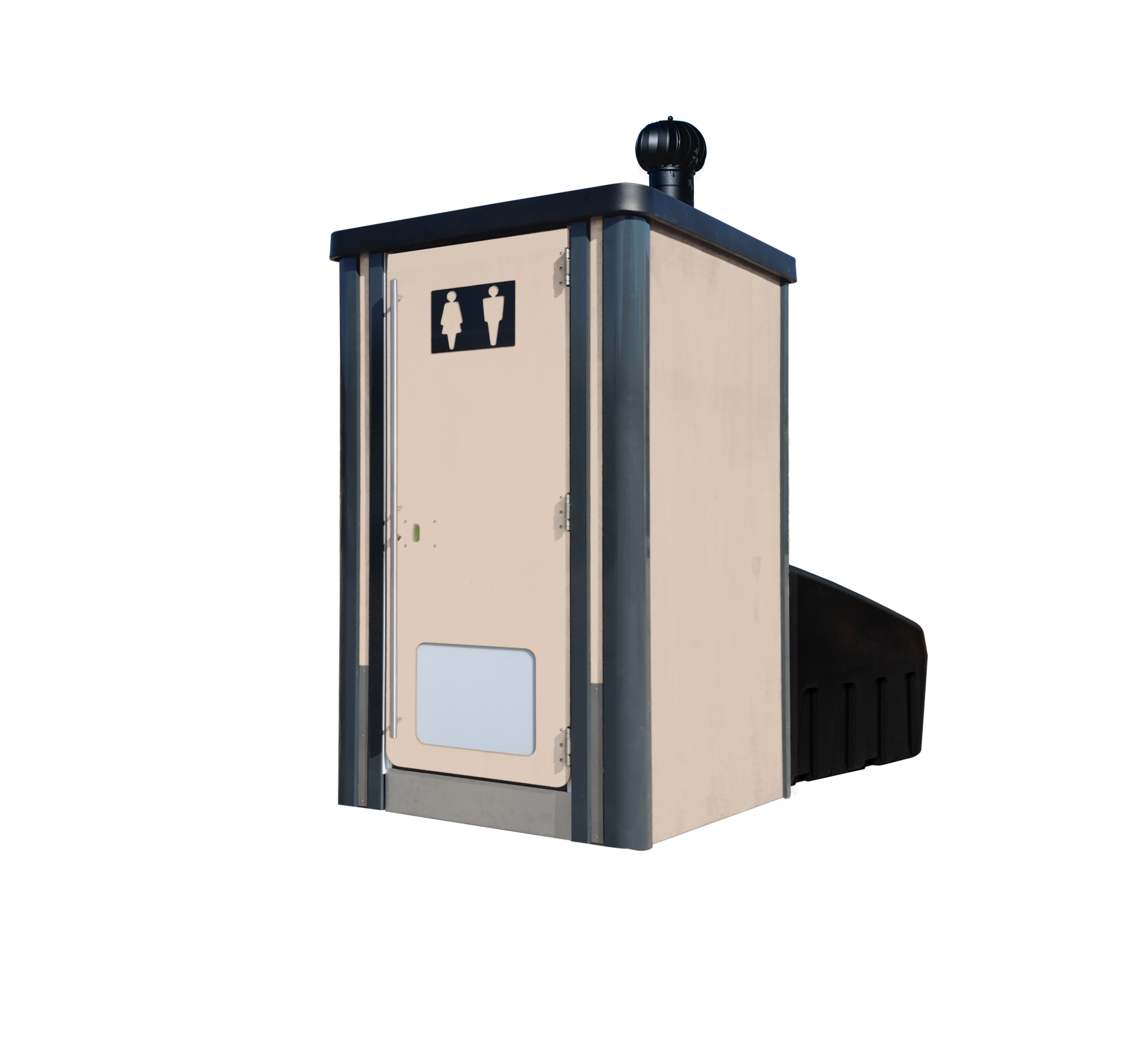
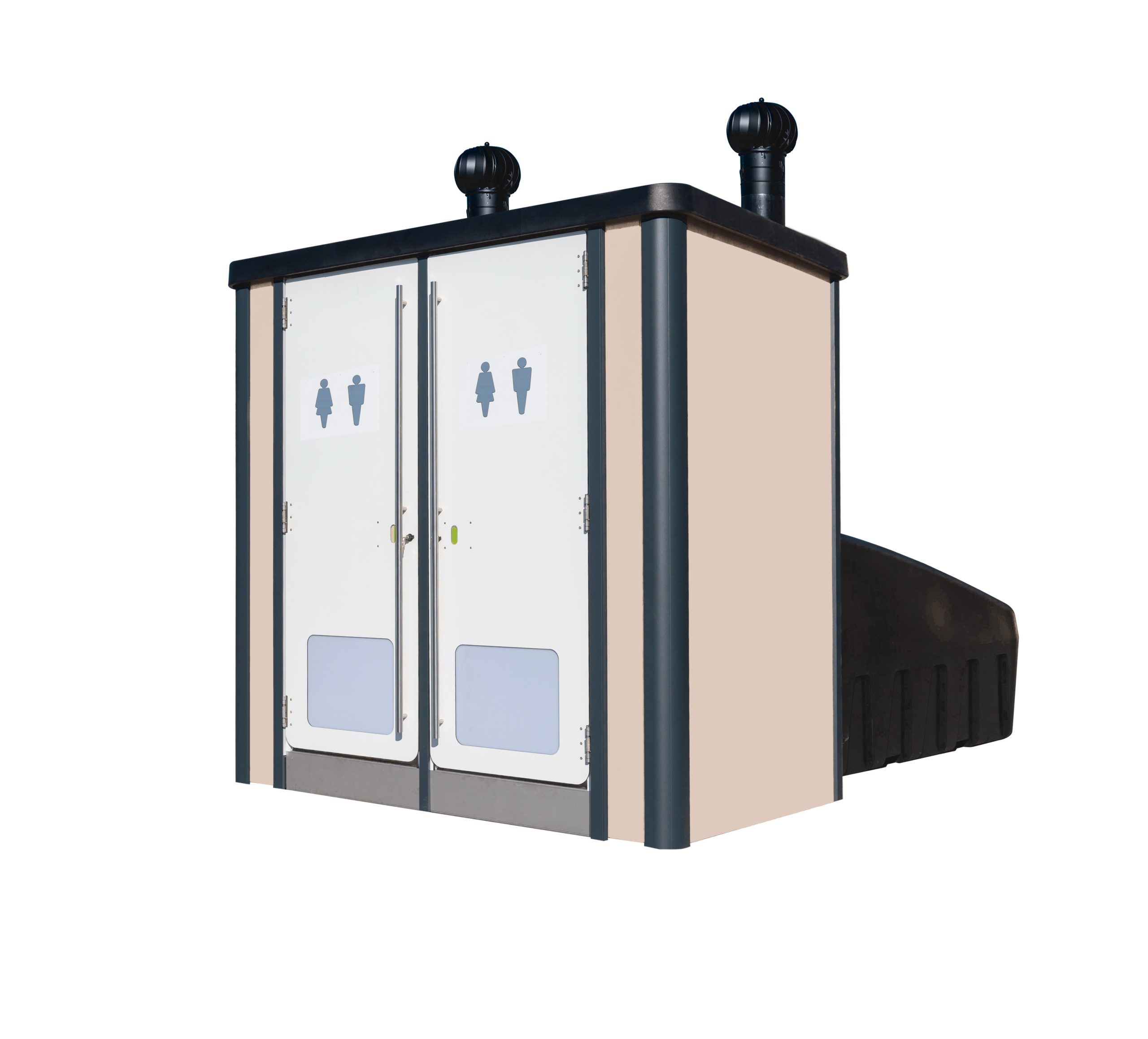
OUR SOLUTIONS ADAPTED TO Urban Communities
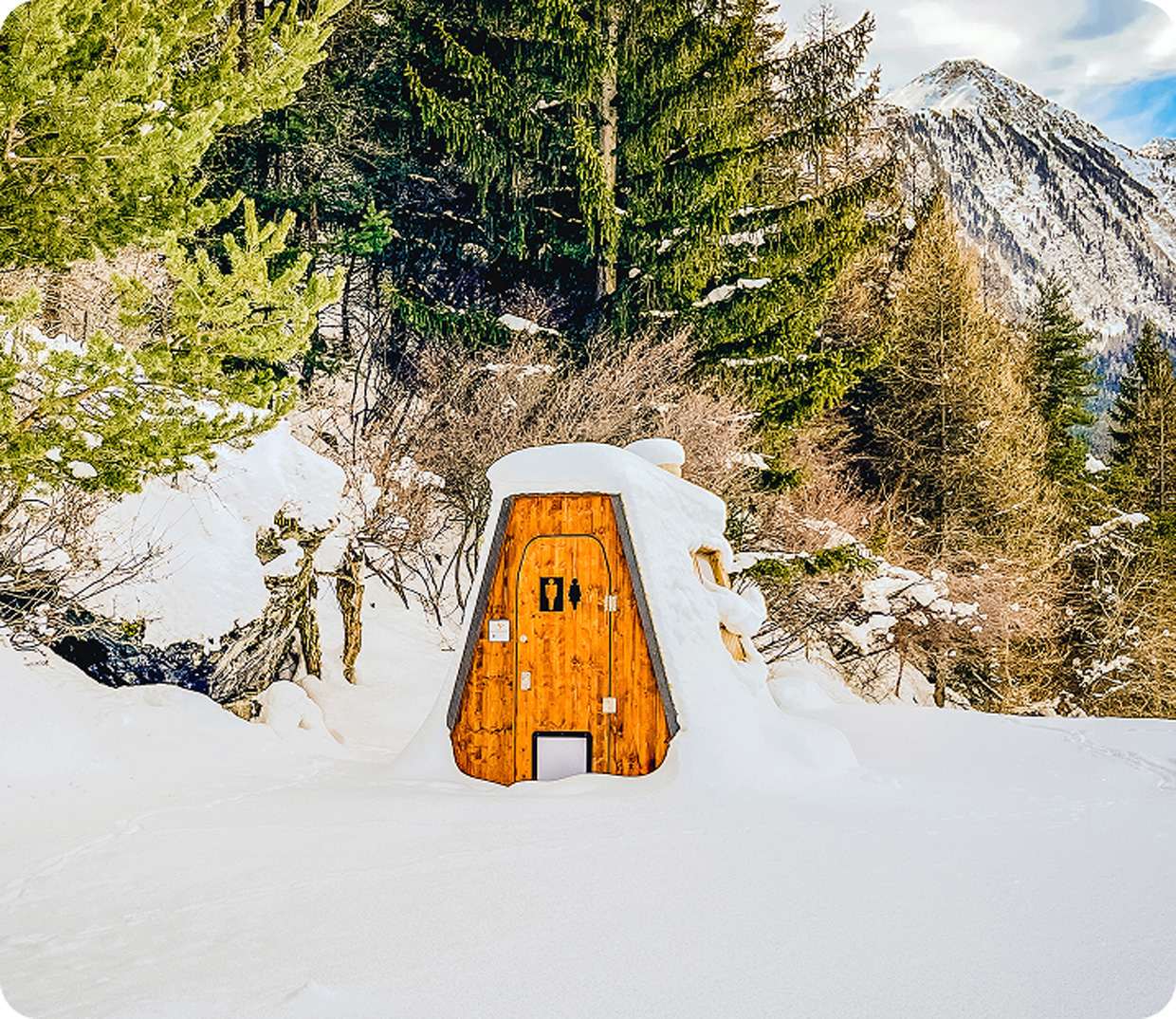
OUR SOLUTIONS ADAPTED TO PROTECTED AREAS
OUR SOLUTIONS ADAPTED TO RECREATIONAL AREAS
OUR SOLUTIONS ADAPTED TO SERVICE AREAS AND HIGHWAYS
A RANGE FOR EVERY ENVIRONMENT
For 30 years, Sanisphere has been developing solutions adapted to each context. Our SANITER, SANILIGHT, SANIMAGINE, SANIPOP, and SANIMAX ranges meet specific needs: robustness in the mountains, elegance in urban settings, compactness for small spaces, flexibility for tourist sites. One technology, variations for all environments.
Urban areas, natural parks, ski resorts, mountain huts, tourist sites, coastal areas, recreational parks, zoos… Each range is sized and designed to excel in its environment. Our design office creates custom solutions that respect the architectural, landscape, and regulatory constraints of each site.
OUR INSTALLATIONS IN Rural Communities
They trust us
More than 1,400 Sanisphere installations currently equip communities, natural parks, mountain huts, ski resorts, and highway service areas in France and Europe.
locate our sanitary facilities
Frequently Asked Questions about our public dry toilets
How do Sanisphere toilets work without water or electricity?
Sanisphere technology is based on a patented principle of separating solid and liquid waste. A simple press on a pedal activates a conveyor belt that evacuates solids to a vermicomposting area. Liquids are directed to a separate drainage system. This ingenious system, combined with natural ventilation, ensures autonomous and ecological operation.
Are there odors in the cabins?
No, there are no odors. The design of our toilets creates a natural airflow that draws air from the cabin through the bowl, preventing any odors from rising. The immediate separation of urine and feces also prevents the formation of ammonia, the main source of unpleasant odors. Olfactory comfort is often considered superior to that of traditional flush toilets.
What maintenance is required and how often?
Maintenance is considerably simplified. Cleaning the cabin is easy (smooth surfaces, no corners) and can be done with plenty of water. Regarding the technical room, compost emptying is only necessary every 10 to 15 years on average, thanks to the work of microorganisms that reduce the volume of waste. Sanisphere offers maintenance contracts to ensure your peace of mind.
Are Sanisphere toilets hygienic and comfortable?
Absolutely. Each cabin is designed to provide optimal comfort, with the following features:
Included equipment: They are clean, modern, and equipped with a hand sanitizer dispenser and paper.
User experience: Use is similar to conventional toilets, making them very intuitive.
Visual cleanliness: The absence of sawdust and a specific design (including lighting) conceal the technical components, ensuring a pleasant experience.
Are your installations accessible to people with reduced mobility (PRM)?
Yes. Most models comply with accessibility standards:
Specific range: The SANITER range, in particular, is designed to be fully compliant with PRM standards.
Amenities: The cabins have grab bars and sufficient maneuvering space.
Adaptability: Options such as manual pedal operation (instead of foot operation) are available to facilitate use by everyone.
Why choose Sanisphere over another dry toilet solution?
Sanisphere stands out for its experience and status:
Pioneer of eco-responsible public toilets since 1991.
Sawdust-free technology with unique and patented separation.
SCOP-type company, committed to quality, sustainability, and innovation.
Offers a complete solution (from design to maintenance) with “Made in France” expertise and ISO 9001 certification.
What happens to urine and solid waste?
The system enables intelligent valorization of effluents:
Solid waste: It is transformed into rich, stable compost directly on site.
Urine: Rich in nutrients, it can be stored for agricultural valorization (natural fertilizer) or managed through controlled infiltration.
The entire system contributes to a circular economy.